Design systems, built and scaled at three different scales
From a from-zero startup build to 60 enterprise brands to 150+ products across five tech stacks — the same question every time: what makes this reliable for everyone who ships against it?
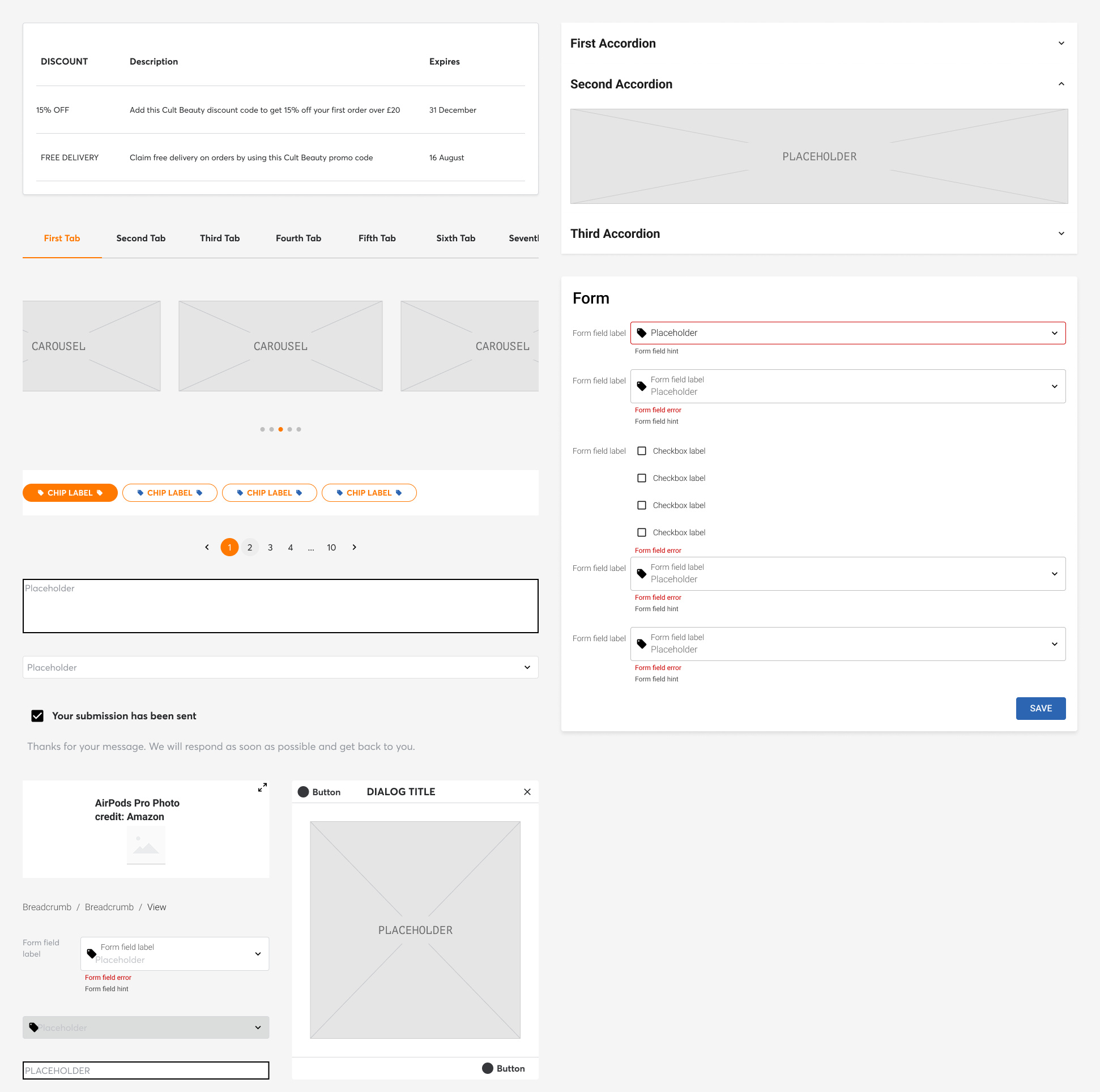
One token architecture across 60+ brands
Re-architected a flat token model into a three-tier default/override system, automated the Figma-to-code handoff, and split shared components from product-owned patterns to remove the DS bottleneck.
20 → 60+ brands · onboarding 2 wks → 2 days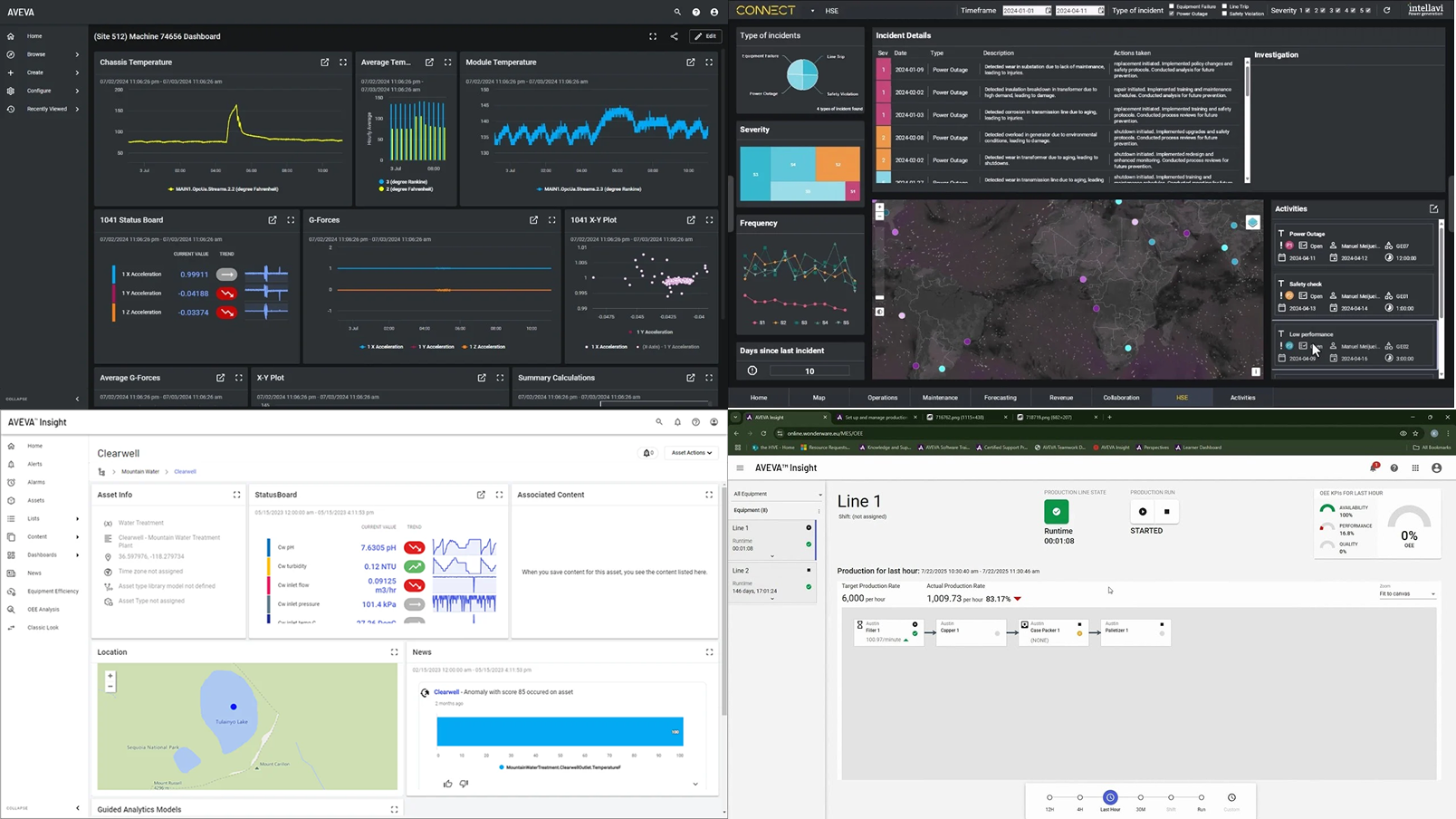
Unifying 150+ products across five tech stacks
A spec-first, stack-agnostic system on a governed Material foundation with an industrial extension layer, tiered adoption tracked at programme level, and a dedicated engineer + QA I made the case to hire.
150+ products · 5 stacks · 40+ components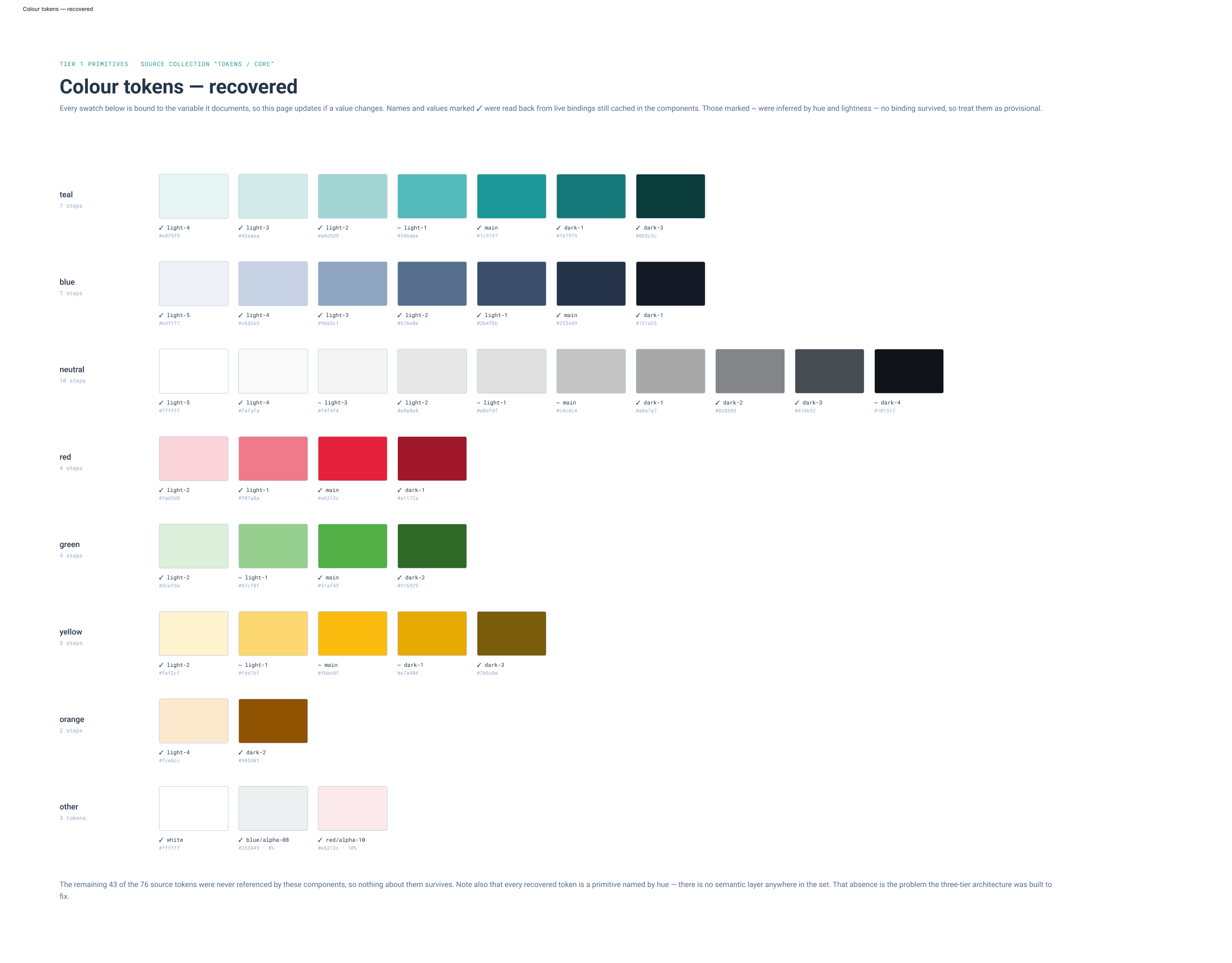
Machine-readable token architecture & an AI sync pipeline
A three-tier token model with naming built for machine readability, plus a Figma → StyleDictionary → code pipeline built with Claude to keep design, code, and docs in sync.
Pipeline rebuilt in under 2 weeksNot design-system cases — product problems, solved with method
Supporting evidence that the systems work is backed by hands-on product design and front-end delivery.
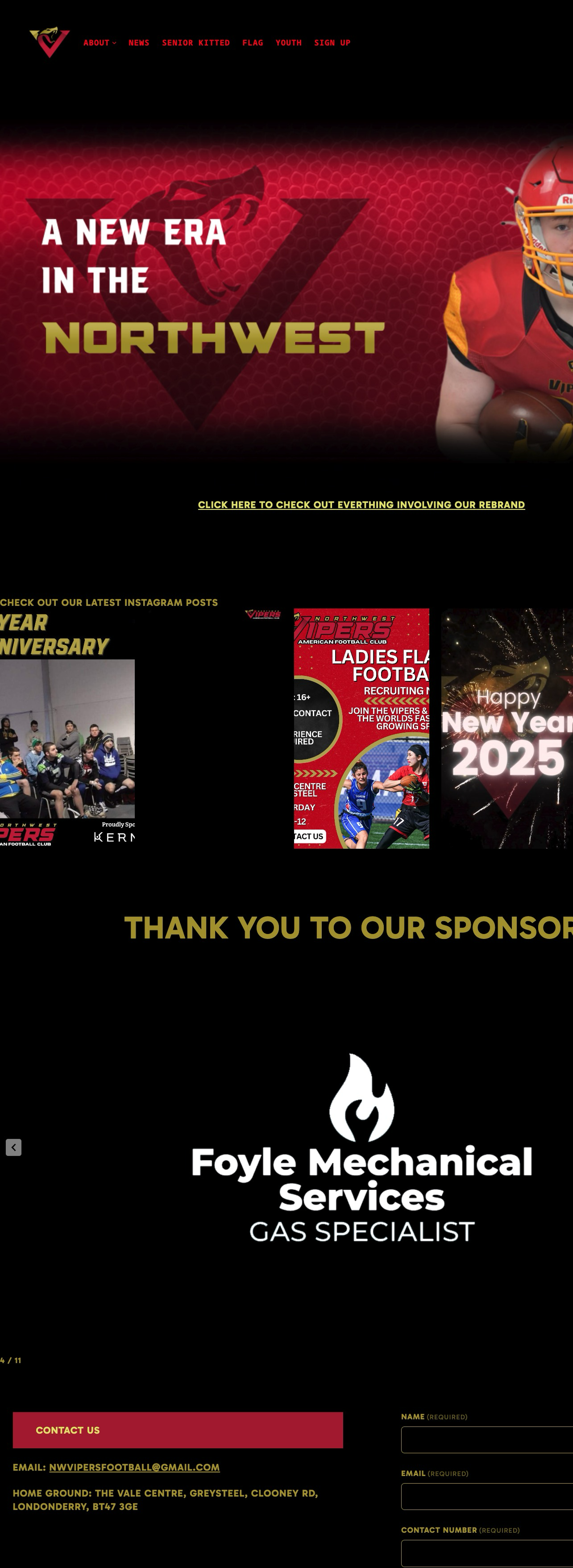
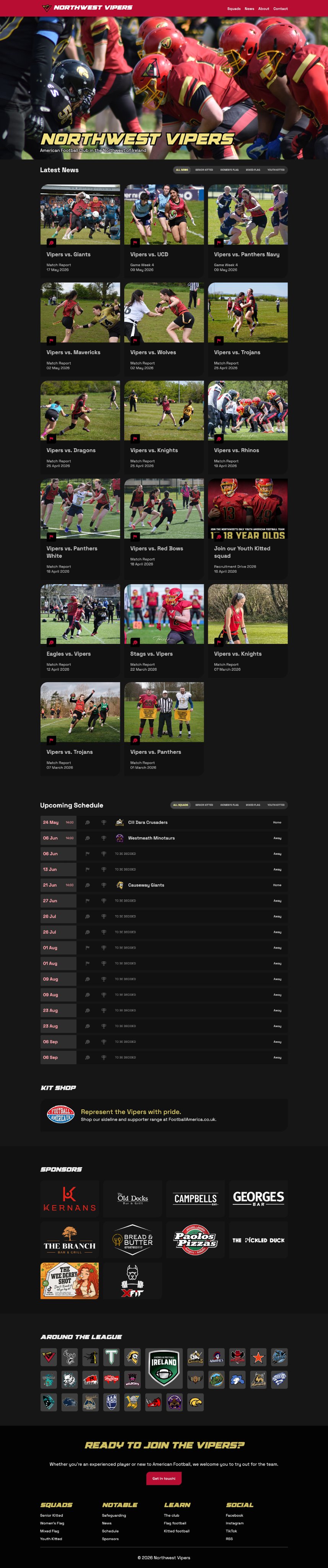
Northwest Vipers — website redesign
Full ownership end-to-end: rebuilt a broken WordPress site as a static 11ty + Markdown platform non-technical members can maintain, and fixed a four-squad equity problem through information architecture.
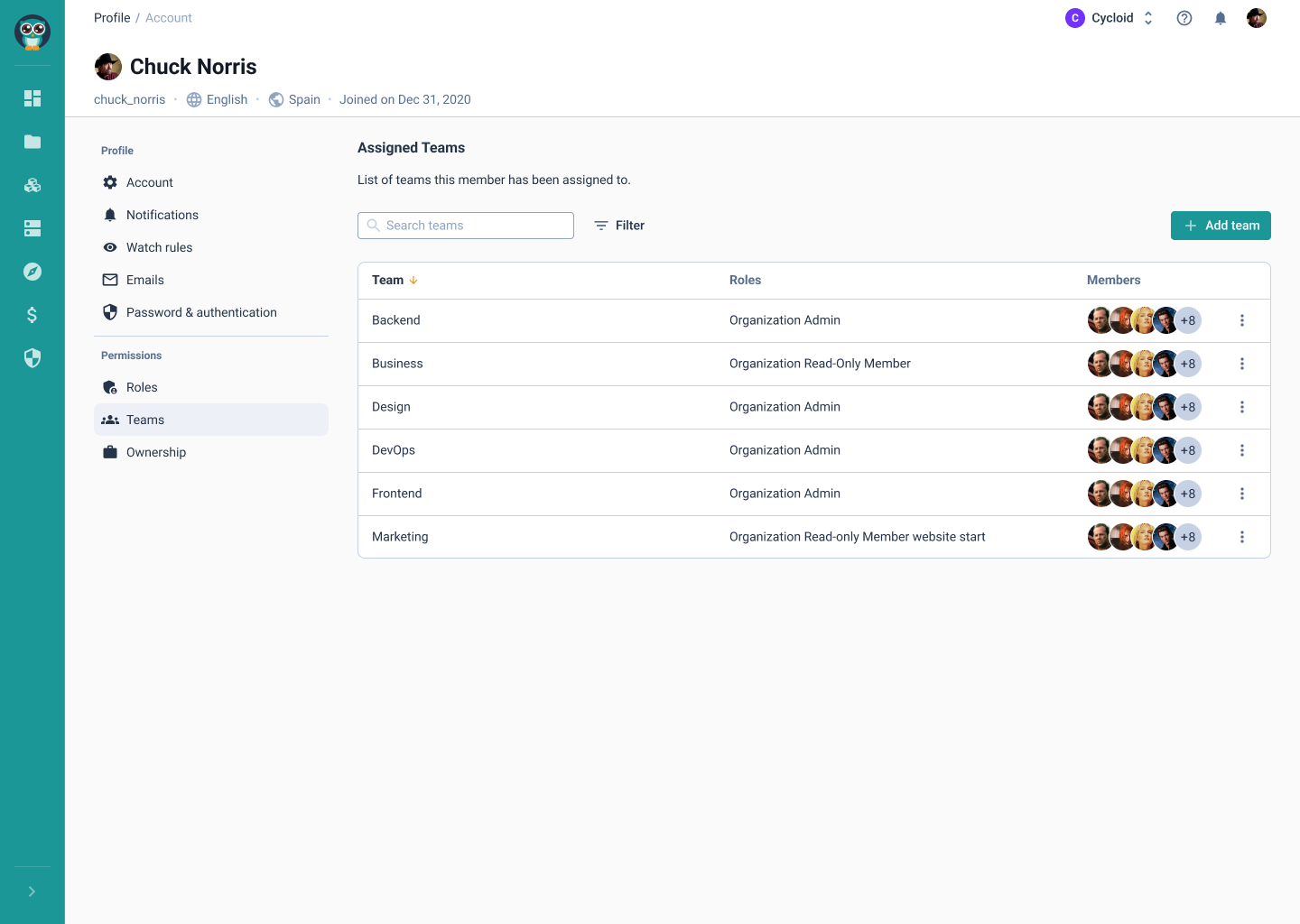
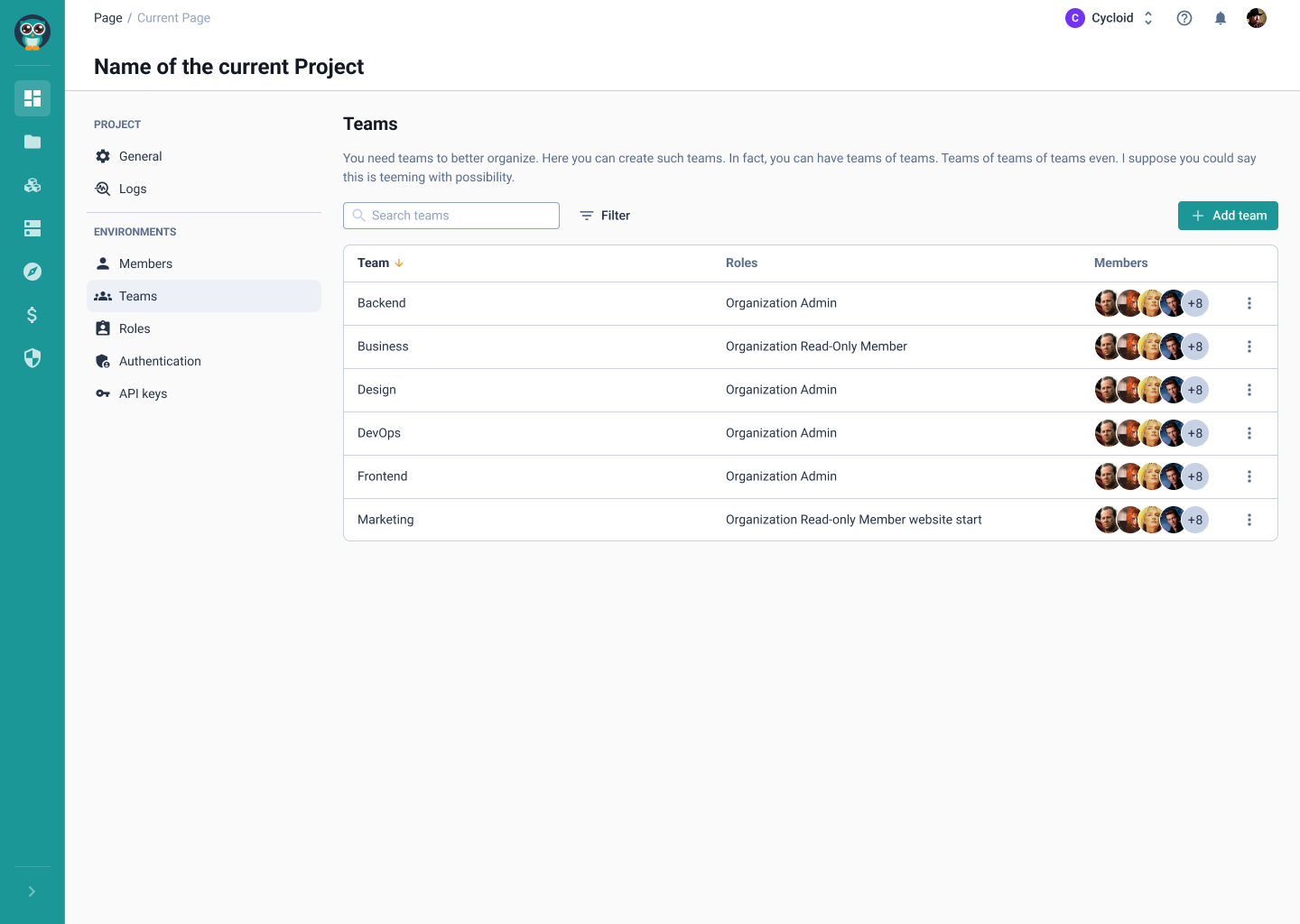
Cycloid — nested teams & permission inheritance
Designed a nested team hierarchy with inherited, role-based permissions when an EU contract broke the flat model — scoping a complex problem into three shippable surfaces and flagging assumptions early.